
Play Therapy
Children process feelings through play, not conversation. Play therapy meets them there — using toys, art, and storytelling as the language talk therapy alone can't reach.
Why play, instead of talk
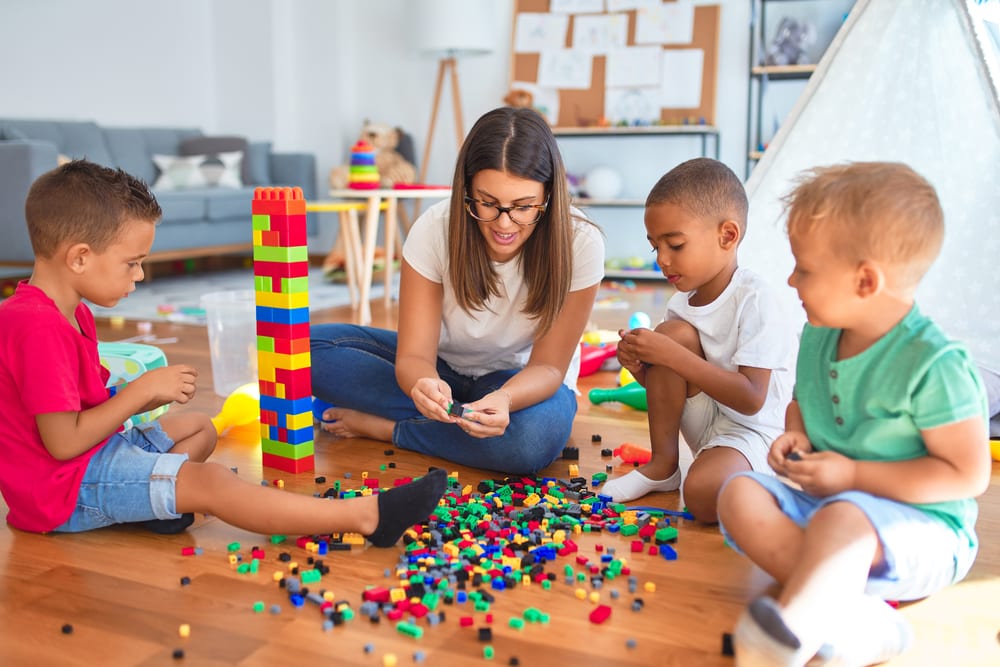
Most children under about 10 haven't yet developed the ability to step back and put complicated feelings into words the way adults can. What they can do naturally is act things out — the dollhouse becomes the family, the sand tray becomes the situation, the puppet says what the child can't say directly.
Play therapy uses that natural language as the actual medium of treatment. It's a structured, evidence-based approach — not just free playtime — guided by a therapist trained to help a child process what they're going through and build skills to cope with it.
How sessions work
What To Expect
An initial conversation with you
Before meeting your child, your therapist talks with you about what’s going on at home, at school, and what brought you in.
Play-based sessions
Sessions typically run 30–50 minutes, weekly, using toys, art, or sand-tray work matched to your child’s age and needs.
Regular check-ins with you
Parent involvement matters. Your therapist meets with you regularly to share what they’re noticing and hear what you’re seeing at home.
Progress over time
Most children benefit from ongoing weekly sessions over several months — the right length depends on your child’s needs and progress.
Most children benefit from ongoing weekly sessions over several months — the right length depends on your child’s needs and progress.
What play therapy can support
Research on play therapy goes back decades, with strong support across a range of childhood challenges, generally for ages 3–12.
Anxiety
Helps children externalize worries they don’t have the words for yet, and build coping tools.
Trauma & difficult experiences
Gives children a safe way to process frightening or overwhelming events at their own pace.
Grief & loss
Supports children making sense of the death of a loved one, a pet, or another significant loss.
Behavioral challenges
Addresses acting out, tantrums, or defiance by working with the feelings underneath the behavior.
Family transitions
Helps children adjust to divorce, a move, a new sibling, or other major changes at home.
Social & emotional skills
Builds skills like sharing, turn-taking, and naming feelings, often alongside peers in group settings.
A note for parents
You know your child better than anyone, and you’re part of this process, not on the sidelines of it. Your therapist will check in with you regularly, and what happens in session stays developmentally appropriate and age-sensitive — always guided by a trained clinician, never just “free play” on its own.
Play therapy at Redeem Wellness is offered by clinicians experienced in working with school-age children. See our full team →
A dedicated play therapy room
We have an entire room set up specifically for play therapy — not a shared office with a toy box in the corner. It's stocked with a sand tray, clay, and a range of age-appropriate toys and creative materials, giving your child a consistent, purpose-built space to do this work session after session.